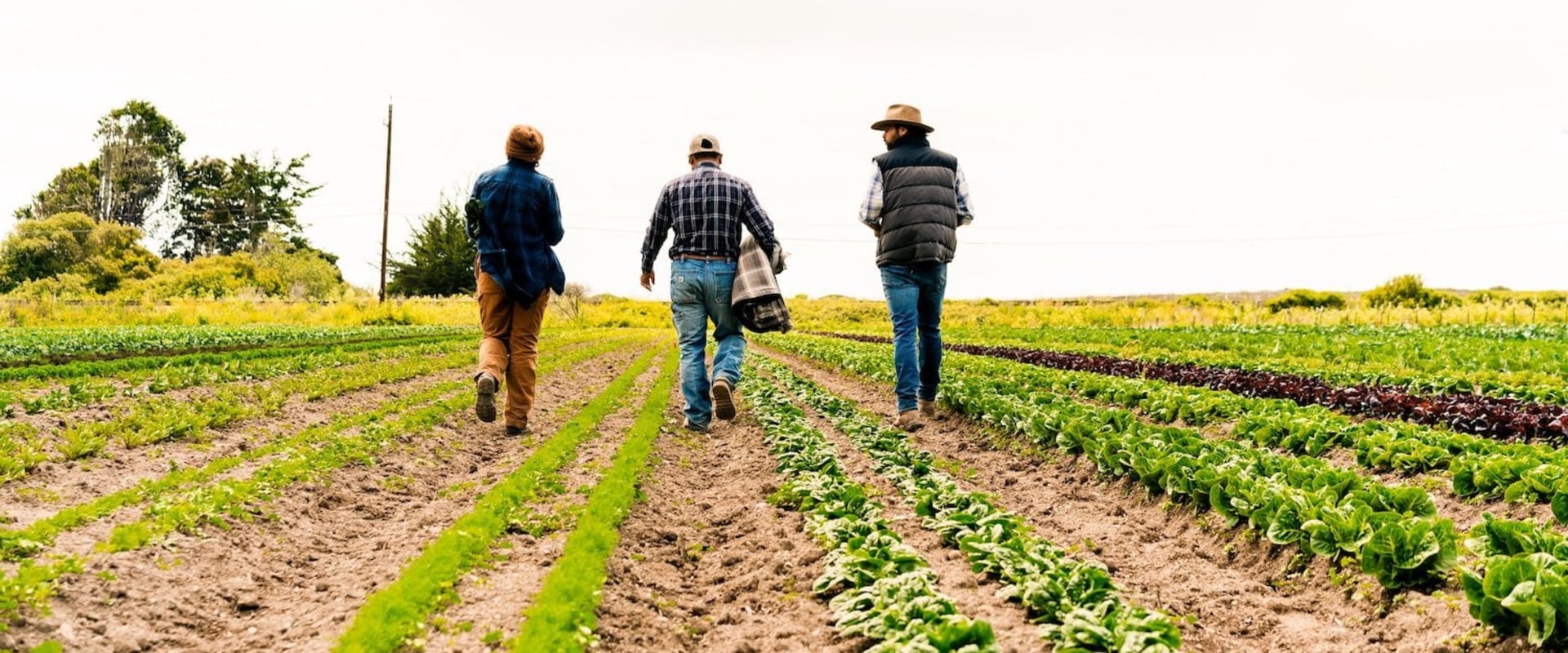
As the world grapples with the reality of climate change, its impact on local agriculture has become a pressing concern for communities everywhere. In La Jolla, a region renowned for its stunning coastlines and vibrant ecosystems, the interplay between climate and farming practices is particularly fascinating. This article delves into the intricate ways in which shifting weather patterns affect agricultural productivity, crop selection, and the livelihoods of local farmers. La Jolla's unique microclimate, characterized by its Mediterranean weather, plays a crucial role in determining what crops can flourish in this picturesque coastal town. However, as temperatures rise and precipitation patterns become increasingly erratic, the stability of these agricultural practices is being tested.
From avocados to tomatoes, the very foundation of local farming is at stake as growers navigate these changes. Understanding the influence of climate on agriculture not only sheds light on the challenges faced by farmers but also emphasizes the importance of sustainable practices and adaptive strategies. As we explore this topic further, we aim to illuminate the resilience of La Jolla's agricultural community and the innovative approaches they are employing to thrive in an ever-changing environment. Join us as we uncover the rich tapestry of climate and agriculture in La Jolla, revealing how this delicate balance shapes our food systems and local economy. The impact of climate on local agriculture is a significant concern for many regions, and La Jolla is no exception. This coastal city in California is characterized by its Mediterranean climate, which features warm, dry summers and mild, wetter winters.
Understanding how specific climate factors such as temperature, rainfall, and seasonal changes affect agriculture is essential for local farmers and the community that relies on them. Temperature plays a crucial role in determining what crops can be successfully cultivated in La Jolla. Average temperatures here typically range from 50°F to 75°F throughout the year. While this range is generally favorable for many crops, fluctuations in temperature can lead to unexpected challenges. For instance, unseasonably high temperatures during the growing season can accelerate crop maturation, leading to reduced yields.
Conversely, cooler temperatures during critical growth stages can hinder development and delay harvests. Local farmers have reported that crops such as tomatoes and peppers thrive in the warmer months but may suffer if temperatures spike too high too quickly. Rainfall is another vital climate factor influencing local agriculture. La Jolla receives an average annual rainfall of about 10 to 12 inches, primarily between November and March. This relatively low amount necessitates careful water management practices among farmers.
The reliance on winter rains means that any significant deviations from expected rainfall patterns can lead to drought conditions, which severely impact crop yields. For example, local strawberry farmers have faced challenges in years when rainfall was below average, prompting them to implement more efficient irrigation systems to conserve water while still ensuring adequate moisture for their crops. Seasonal changes further complicate the agricultural landscape in La Jolla. Farmers must be keenly aware of the changing climate patterns that dictate planting and harvesting times. Early springs or late frosts can disrupt these cycles, leading to misaligned schedules that affect both crop quality and quantity.
For example, local citrus growers have noted that fluctuating seasonal temperatures can lead to early blooming, putting their crops at risk if a late frost occurs after the buds have opened. Local crops such as avocados and lemons tend to thrive under La Jolla's conditions due to their adaptability to the climate. However, crops like lettuce and certain varieties of beans can struggle with the increasing variability in weather conditions. Farmers who have traditionally relied on these crops are now exploring alternative varieties that may be more resilient to changing climatic conditions. Insights from local farmers highlight the adaptive strategies being employed in response to these challenges. John Smith, a third-generation farmer in the area, explains how he has diversified his crop selection over the years.
"We used to grow primarily tomatoes and peppers, but with the unpredictable weather we've been facing, we've started incorporating more drought-resistant plants into our fields," he notes. Smith's experience reflects a broader trend among local farmers who are recognizing the need to adapt their practices in response to the realities of climate change. However, there are differing opinions regarding the impact of climate on agriculture. Some experts argue that agricultural practices can adapt sufficiently to mitigate risks posed by climate change. They suggest that innovations in farming techniques, such as precision agriculture and advanced irrigation systems, will enable farmers to cope with changing conditions effectively.
On the other hand, there are voices within the agricultural community who caution against complacency. They warn that significant risks remain ahead; extreme weather events could become more frequent, leading to potential crop failures and financial instability for farmers who cannot keep up with rapid changes. In summary, understanding the impact of climate on local agriculture in La Jolla is essential for both farmers and residents who depend on this vital industry for their livelihoods and economic well-being. By examining temperature fluctuations, rainfall patterns, and seasonal changes, it becomes clear how intricately linked agriculture is to climate factors. As local farmers continue to adapt their practices in response to these challenges, it remains crucial for the community to stay informed about ongoing developments in agricultural resilience amidst a changing climate.
Looking Ahead: Future Challenges and Opportunities
The impact of climate change on local agriculture in La Jolla presents a myriad of challenges and opportunities.As the region experiences more frequent and severe extreme weather events, such as droughts, heatwaves, and heavy rainfall, local farmers must adapt their practices to survive these fluctuations. The increased likelihood of longer drought periods threatens traditional crop yields and can lead to water shortages, which are critical for agricultural sustainability. Farmers in La Jolla are already beginning to face the realities of these challenges. Crop selection may need to shift towards more drought-resistant varieties, or farmers might need to invest in advanced irrigation techniques that optimize water use. These adaptations not only represent a challenge but also open the door for innovation within the agricultural sector. Moreover, the push for sustainable practices can lead to exciting opportunities for growth.
As consumers become more aware of the effects of climate change, there is a growing demand for locally sourced produce that is grown sustainably. This trend encourages local farmers to adopt environmentally friendly practices, thereby enhancing the marketability of their products. In conclusion, while the challenges posed by climate change are significant, they also provide an impetus for innovation and resilience within La Jolla’s agricultural community. By embracing new technologies and sustainable practices, local farmers can mitigate some of the adverse effects of climate change while contributing positively to the local economy.
Adapting Farming Practices
In response to the changing climate, farmers in La Jolla are increasingly adopting innovative farming practices that enhance resilience and sustainability. These practices not only help mitigate the effects of climate change but also ensure that local agriculture remains viable for future generations. One major adaptation strategy involves the implementation of water conservation techniques.With the increasing unpredictability of rainfall patterns, farmers are turning to methods such as drip irrigation and rainwater harvesting. These techniques maximize water efficiency, allowing crops to thrive even during dry spells. Additionally, the introduction of drought-resistant crops has become essential in La Jolla’s agricultural landscape. By selecting varieties that require less water and are more resilient to heat, farmers can maintain productivity while reducing their reliance on scarce water resources. These crops are specifically bred to withstand the stresses caused by rising temperatures and prolonged dry periods. Furthermore, many local farmers are embracing sustainable farming methods that focus on maintaining ecological balance.
Practices such as crop rotation, cover cropping, and organic farming not only improve soil health but also enhance biodiversity. These methods contribute to a more resilient agricultural system capable of withstanding the challenges posed by climate change. In conclusion, the adaptation of farming practices in La Jolla is a crucial response to the ongoing impacts of climate change. By prioritizing innovative techniques and sustainable methods, local farmers can continue to thrive while supporting the community's economic stability.
Climate Patterns in La Jolla
La Jolla, located along the picturesque coastline of Southern California, exhibits a Mediterranean climate, characterized by warm, dry summers and mild, wet winters. This climate is particularly conducive to a variety of agricultural practices, allowing local farmers to cultivate an array of crops throughout the year.The average temperature in La Jolla typically ranges from 60°F to 75°F, with peak summer temperatures occasionally reaching up to 80°F. Such a climate not only supports a thriving agricultural scene but also impacts the types of crops that can be successfully grown. Seasonal rainfall is another critical aspect of La Jolla's climate, with most precipitation occurring between November and March. On average, the area receives about 10 to 15 inches of rainfall annually, which is essential for maintaining soil moisture and supporting crop growth. However, recent years have seen fluctuations in these patterns, with some seasons experiencing significantly less rainfall than historical averages. Historically, La Jolla's weather patterns have been relatively stable; however, climate change is beginning to alter this landscape.
Farmers are noticing shifts in seasonal weather, including prolonged dry spells and unpredictable rain events. These changes not only affect crop yields but also challenge farmers' traditional planting and harvesting schedules. Understanding these climate characteristics and their implications is crucial for local farmers who depend on consistent weather patterns for their livelihoods. As climate variability increases, adapting to these changes will be essential for maintaining agricultural productivity in La Jolla.
Community Response and Support
The impact of climate on local agriculture has prompted a proactive response from the community in La Jolla. Residents recognize that the health of local farms is intertwined with their own livelihoods and the overall economy.As weather patterns shift, farmers are not only adapting their practices but are also receiving vital support from various community initiatives. One notable organization making strides in this area is the La Jolla Farmers Market, which serves as a platform for local farmers to showcase their produce while fostering connections with consumers. This market not only emphasizes the importance of sustainable agriculturesustainable agriculture but also educates visitors about the challenges faced by farmers due to climate change. Additionally, community gardens have sprouted throughout La Jolla, providing residents with hands-on experience in growing their own food. These gardens promote biodiversity and resilience against climate impacts while encouraging sustainable practices among participants. They serve as a vital educational resource, teaching individuals how to adapt to changing environmental conditions. Local educational initiatives, such as workshops and seminars organized by environmental groups, further empower farmers and residents alike.
These programs focus on sustainable farming techniques, water conservation strategies, and the importance of soil health—all critical components in mitigating the effects of climate change on agriculture. In summary, the community response to the impact of climate on local agriculture in La Jolla illustrates a collective effort to support farmers through various organizations, gardens, and educational programs. This collaborative spirit not only strengthens the agricultural sector but also enhances community resilience against future climate challenges.
Effects on Crop Selection
The impact of climate on local agriculture is particularly evident in the way it influences crop selection. In La Jolla, the Mediterranean climate, characterized by mild, wet winters and warm, dry summers, has historically supported a diverse range of crops. However, with the advent of climate change, shifts in temperature and precipitation patterns are prompting local farmers to reassess which crops are viable. For instance, traditional crops such as avocados and citrus fruits have thrived in La Jolla's climate.These crops benefit from the region's temperate conditions, abundant sunshine, and well-draining soil. However, as temperatures gradually rise, these crops may face challenges such as increased water demand and susceptibility to pests and diseases. On the other hand, some farmers are turning to drought-resistant crops that can better withstand the changing climate. Varieties such as quinoa and certain types of legumes are gaining popularity as they require less water and can adapt to warmer temperatures. These crops not only help mitigate the risks associated with climate change but also contribute to sustainable agricultural practices in the region. Moreover, the shift towards alternative crops is not merely a response to environmental changes; it also reflects evolving consumer preferences for organic and locally sourced produce.
As residents become more conscious of their food choices, local farmers are increasingly experimenting with new varieties that align with these trends. In conclusion, while the effects of climate on crop selection in La Jolla present challenges, they also offer opportunities for innovation and adaptation. By understanding which crops are thriving and which are declining, farmers can make informed decisions that support both their livelihoods and the local economy. In summary, the impact of climate on local agriculture in La Jolla is a crucial topic that affects not only our farmers but also the wider community that relies on these agricultural practices for sustenance and economic stability. Throughout this article, we have explored the various climate patterns in La Jolla and their direct effects on crop selection, as well as how local farmers are actively adapting farming practices to meet these challenges. Additionally, we highlighted the strong community response and support for sustainable agricultural initiatives. Looking ahead, it is clear that understanding this relationship will empower residents to navigate the future challenges and opportunities presented by changing climates.
We encourage our readers to engage with local agricultural initiatives or support sustainable practices that not only benefit our environment but also strengthen our local economy.